
Choosing the Right Pool Screen Material: Phifer Screen vs. Super Screen

Daniel Gerstmyer • August 15, 2024

When it comes to enhancing your outdoor space with a pool screen enclosure, one of the most important decisions you’ll make is selecting the right screen material. With so many options available, it can be challenging to determine which one will best suit your needs. Two of the most popular choices for pool screens are Phifer Screen and Super Screen. Both materials offer excellent protection and durability, but they have some distinct differences that may make one more suitable for your particular situation. In this blog, Daniel’s Screen Services will break down the features, durability, and benefits of Phifer Screen and Super Screen to help you make an informed decision.


What Is Phifer Screen?


Phifer Screen is a well-known brand that has been a leader in the screening industry for years. Phifer screens are made from fiberglass and coated with a protective layer that enhances their resistance to the elements. They are widely regarded for their quality and reliability and come in several varieties, including standard fiberglass screens and more specialized options like no-see-um screens and solar screens.


Features and Benefits of Phifer Screen


  • Affordability: Phifer Screen is known for being cost-effective, making it an excellent choice for homeowners who want a high-quality screen material at an affordable price.
  • Variety of Options: Phifer offers different screen types to cater to specific needs. For example, Phifer No-See-Um screens are designed to keep out even the tiniest insects, while Phifer Solar Screens provide added UV protection, reducing glare and keeping your pool area cooler.
  • Good Airflow and Visibility: Phifer screens maintain excellent airflow, which is ideal for keeping your pool area well-ventilated. They also provide clear visibility, so you can enjoy unobstructed views of your surroundings.
  • Resistant to Rust and Mildew: The protective coating on Phifer screens helps prevent rust and mildew, extending the life of the screen material in humid climates like Florida’s.


Durability of Phifer Screen


While Phifer screens are durable, they are still made from fiberglass, which is more susceptible to tears and punctures than some other materials. In areas with heavy wear and tear—such as homes with pets or children—Phifer screens may need more frequent repairs or replacement.


What Is Super Screen?


Super Screen is another top-tier pool screen material, known for its exceptional strength and long-lasting durability. Made from a polyester core and coated with a high-performance vinyl, Super Screen is built to withstand the elements and resist damage far better than traditional fiberglass screens.


Features and Benefits of Super Screen


  • Superior Durability: Super Screen is incredibly tough and resilient. It can withstand much greater force than traditional fiberglass screens, making it resistant to tears, punctures, and other forms of damage. This makes it an ideal choice for households with pets, children, or areas prone to heavy storms.
  • Longer Lifespan: Super Screen is designed to last longer than standard fiberglass screens. Its advanced materials provide it with a lifespan of up to 10 years or more, reducing the need for frequent repairs and replacements.
  • UV Protection: Like Phifer Solar Screens, Super Screen offers excellent UV protection, shielding your pool area from harmful sun exposure while keeping the space cooler and more comfortable.
  • Better Resistance to Weathering: Super Screen is specifically engineered to resist the effects of harsh weather, such as strong winds, heavy rain, and UV exposure. It holds up well in the face of extreme weather conditions, making it an excellent option for hurricane-prone regions.


Durability of Super Screen


Super Screen’s strength is one of its standout features. It can handle heavy impacts and wear, making it less likely to tear or fray over time. Its superior durability makes it a popular choice for long-term protection and for areas that see high levels of activity. Additionally, it holds up well against the environmental challenges that come with Florida’s intense sun, humidity, and storms.


Phifer Screen vs. Super Screen: Which Is Right for You?


When choosing between Phifer Screen and Super Screen, it’s essential to consider your specific needs, budget, and the environment in which your pool screen will be installed. Here’s a quick comparison to help you decide:


  • Budget: Phifer Screen is generally more affordable than Super Screen, making it a good option for those looking for a cost-effective solution without sacrificing quality. However, if you’re willing to invest more upfront for a product with superior longevity, Super Screen may offer better long-term value.
  • Durability: If durability is your top priority—especially if you have pets, children, or live in an area prone to storms—Super Screen’s exceptional strength and long lifespan make it the better choice.
  • Specialized Needs: Phifer Screen offers a range of specialized options, such as no-see-um screens and solar screens, which can provide added benefits like insect protection and UV reduction. If these features are a priority, Phifer’s extensive range may be more appealing.
  • Weather Resistance: Super Screen excels in weather resistance, particularly in harsh climates. If you’re looking for a screen that can withstand Florida’s intense sun, high humidity, and stormy weather, Super Screen’s enhanced durability is hard to beat.


Conclusion


Both Phifer Screen and Super Screen offer excellent performance and protection for your pool area, but they cater to different needs. Phifer Screen is a cost-effective, high-quality option that comes in a variety of styles to suit your specific needs. Super Screen, on the other hand, provides superior strength and durability, making it the best choice for homes that require long-lasting protection.


At Daniel’s Screen Services, we understand that every home is unique. Whether you choose Phifer Screen or Super Screen, we’ll help you find the perfect pool screen solution for your space. Contact us today for expert advice and a free estimate on your next pool screen installation or replacement.
By Chris Clark December 31, 2025
The body content of your post goes here. To edit this text, click on it and delete this default text and start typing your own or paste your own from a different source.
By Chris Clark November 24, 2025
Living in Southwest Florida means enjoying sunshine, warm breezes, and year-round outdoor living. But it also means battling humidity, sudden storms, intense UV rays, and the constant presence of bugs and debris. This is exactly why most homeowners protect their outdoor spaces with pool cages, lanais, and entryway screen enclosures. These structures offer beauty and function—but like anything exposed to Florida’s climate, they need proper maintenance to stay strong. If you’ve ever wondered how to maintain your screen enclosure, how often it needs attention, or what you can do to extend its lifespan, you’re in the right place. Below is the ultimate guide to caring for the screens on your pool cage, lanai, or entryway so they stay looking great and performing well year after year. Why Screen Maintenance Is So Important in Southwest Florida Most homeowners don’t realize just how much wear and tear our environment puts on screen enclosures. Between UV exposure, salty air, heavy rains, and tropical storms, your screens face daily challenges. Proper maintenance does more than just keep things looking neat—it raises the lifespan of the enclosure, saves you money over time, and ensures your outdoor area always feels inviting. Here’s why maintenance is critical: 1. Florida’s Sun Damages Screens Over Time Direct sunlight causes screen mesh to weaken, fade, and eventually tear. Cheaper meshes can become brittle in as little as 2–4 years, while stronger options like Super Screen or No-See-Ums mesh last longer but still need occasional attention. 2. High Humidity Encourages Mold & Mildew Screens and aluminum frames collect moisture, especially during rainy season. Without regular cleaning, they can develop dark streaks, algae buildup, and mold spots. 3. Debris Buildup Can Damage Panels Leaves, pollen, and dirt often get trapped in the screen or on the roof of a pool cage. Over time, this adds weight and strain, especially on roof panels. 4. Salt Air Causes Corrosion If you're near the coast—Cape Coral, Fort Myers Beach, Naples—salt exposure is a constant battle. Corrosion on the frame or fasteners can compromise the structure. 5. Storm Season Makes Weak Screens a Hazard Loose, sagging, or already-damaged panels are far more likely to tear or blow out during strong winds or storms. How Often Should You Maintain Your Screening? A good rule of thumb for Southwest Florida homes: Light cleaning: Monthly Deep cleaning: Every 3–6 months Full inspection: Annually Rescreening: Every 7–10 years (depending on mesh type and exposure) Fastener inspection or upgrade: Every 5 years Professional evaluation: Before and after hurricane season Essential Maintenance Tasks You Should Be Doing Below are the most important steps every homeowner should take to maintain the screens on their pool cage, lanai, or entryway. 1. Rinse Screens Regularly to Remove Dirt, Salt, and Debris A gentle rinse with a garden hose goes a long way. Start at the top of the enclosure and work your way down. This prevents salt and dirt from embedding in the mesh. Pro Tip: Avoid using high-pressure washers directly on the screen mesh—this can stretch or tear the screen. Use low pressure or a soft spray setting instead. 2. Clean the Aluminum Frame to Prevent Corrosion The aluminum structure of your pool cage or lanai is coated to resist corrosion, but salt and moisture can still cause buildup. Use a mild soap solution and soft brush to clean the frame. What to Watch For: White powdery residue (oxidation) Rust around fasteners Paint discoloration Loose screws or brackets Frame maintenance is one of the most overlooked parts of caring for a screen enclosure—but one of the most important. 3. Remove Roof Debris to Avoid Strain on Panels Palm fronds, leaves, pine needles, and branches often collect on the roof of a pool cage. Too much buildup can put pressure on the screen and cause sagging or tears. If you cannot safely reach the roof—do not climb on it. Pool cage roofs are not designed to support the weight of a person. Call a professional to safely remove roof debris. 4. Address Screen Tears or Loose Panels Immediately A small tear becomes a big tear quickly in Southwest Florida’s wind. If you notice any of these, repair them right away: Panels that appear loose or wavy Small punctures Sagging corners Gaps along the frame Timely repairs prevent pests from entering the enclosure—and prevent future structural issues. 5. Check the Doors, Hardware, and Fasteners Salt air and moisture wear out hardware faster than many people expect. Screen doors especially take a beating. Check these items: Door hinges Door closers Handle latches Corner brackets Fasteners & screws Kick plates If your enclosure has rusty screws, it may be time to upgrade to stainless steel or a rust-resistant alternative. 6. Clean Mold, Mildew, and Algae Properly Florida’s climate is perfect for algae and mildew growth. Look for green or black discoloration on the screens or frame. Safe Cleaning Mix: 1 gallon water 1 cup white vinegar A few drops of mild dish soap This avoids harsh chemicals that can damage mesh or paint. Avoid bleach unless absolutely necessary—and always dilute it properly. 7. Inspect the Overall Structure Annually At least once a year, do a full walkthrough: Are the panels tight and smooth? Does the frame feel sturdy? Are any areas bent, leaning, or cracked? Are fasteners showing rust? Are there gaps, holes, or pest intrusions? An annual inspection is especially important before hurricane season. If you spot anything questionable, it’s safer and cheaper to repair it early. 8. Rescreen When Mesh Begins to Weaken Even the best screen mesh breaks down eventually. Most homeowners rescreen every 7–10 years, depending on the material. Signs it’s time to rescreen: Discoloration Sagging Fading Brittleness Frequent tears Panels popping out Daniel’s Screen Services installs high-quality mesh options like: Phifer screen No-See-Ums fiberglass screen Glas-Shield Super Screen (10-year warranty) Upgrading to better screens increases durability, reduces maintenance, and withstands storms more effectively. 9. Consider a Full Rebuild for Older or Rusted Cages If your enclosure is more than 15–20 years old, or you notice heavy corrosion, it may be more cost-effective to rebuild the structure. Southwest Florida homes near the water often need frame rebuilding sooner due to salt exposure. A rebuild allows you to upgrade: Roof style Beam design Fasteners Mesh type Color Screen doors Kick plates Better materials = less maintenance long-term. 10. Hire a Professional for Annual Maintenance While homeowners can handle basic tasks, a professional inspection ensures your enclosure remains safe and long-lasting. A screen expert will check: Structural integrity Fasteners Connection points Hidden corrosion Mesh quality Roof panels Door hardware Anchoring system Permitting/compliance (if needed) This is especially crucial after a hurricane or major storm. Final Thoughts: Protect Your Investment Your pool cage, lanai, or entryway enclosure is one of the best features of your Southwest Florida home. With the right maintenance, it can last for years—even through Florida’s harshest seasons. A little prevention goes a long way toward avoiding costly repairs or full replacements later on.  If your screens are showing signs of age or damage—or you’re not sure where to start—Daniel’s Screen Services is here to help. From quick repairs to full rescreens using premium materials, we make your enclosure look brand new again.
By Chris Clark October 24, 2025
The body content of your post goes here. To edit this text, click on it and delete this default text and start typing your own or paste your own from a different source.
By Chris Clark September 26, 2025
The body content of your post goes here. To edit this text, click on it and delete this default text and start typing your own or paste your own from a different source.
By Chris Clark August 25, 2025
The body content of your post goes here. To edit this text, click on it and delete this default text and start typing your own or paste your own from a different source.
By Chris Clark July 23, 2025
If you live in Southwest Florida, you know how important it is to have a well-maintained pool or lanai screen enclosure . Not only do these enclosures keep bugs and debris out, but they also help protect your outdoor living space from harsh sun, wind, and summer storms. At Daniel’s Screen Services , we specialize in helping homeowners keep their screens in top shape all year long. 🛠️ Why Pool & Lanai Screen Maintenance Is So Important: Prevents Costly Repairs Catching small tears or rust early prevents the need for full rescreening later. Improves Appearance Faded or sagging screens can make your home look older and less maintained. Keeps Pests Out In SW Florida, insects like no-see-ums and mosquitoes thrive—screen damage invites them in. Protects Your Investment A clean, functional enclosure boosts property value and extends the life of your outdoor space. 🔍 What We Recommend: Seasonal Screen Inspections Especially after storm season, inspect for holes, loose spline, and rusty hardware. Cleaning & Maintenance Rinse your screens regularly with a hose to prevent mildew and salt buildup. Use High-Quality Screen Materials Ask us about Phifer No-See-Um screen or Super Screen with a 10-year warranty. Professional Repairs & Rescreening We handle everything from minor patch jobs to full panel replacements—with fast turnaround and expert care.  At Daniel’s Screen Services , we know what Florida weather can do to your enclosure. Our team is local, experienced, and here to help you maintain your screen year-round so you can enjoy your lanai or pool without worry.
By Chris Clark June 27, 2025
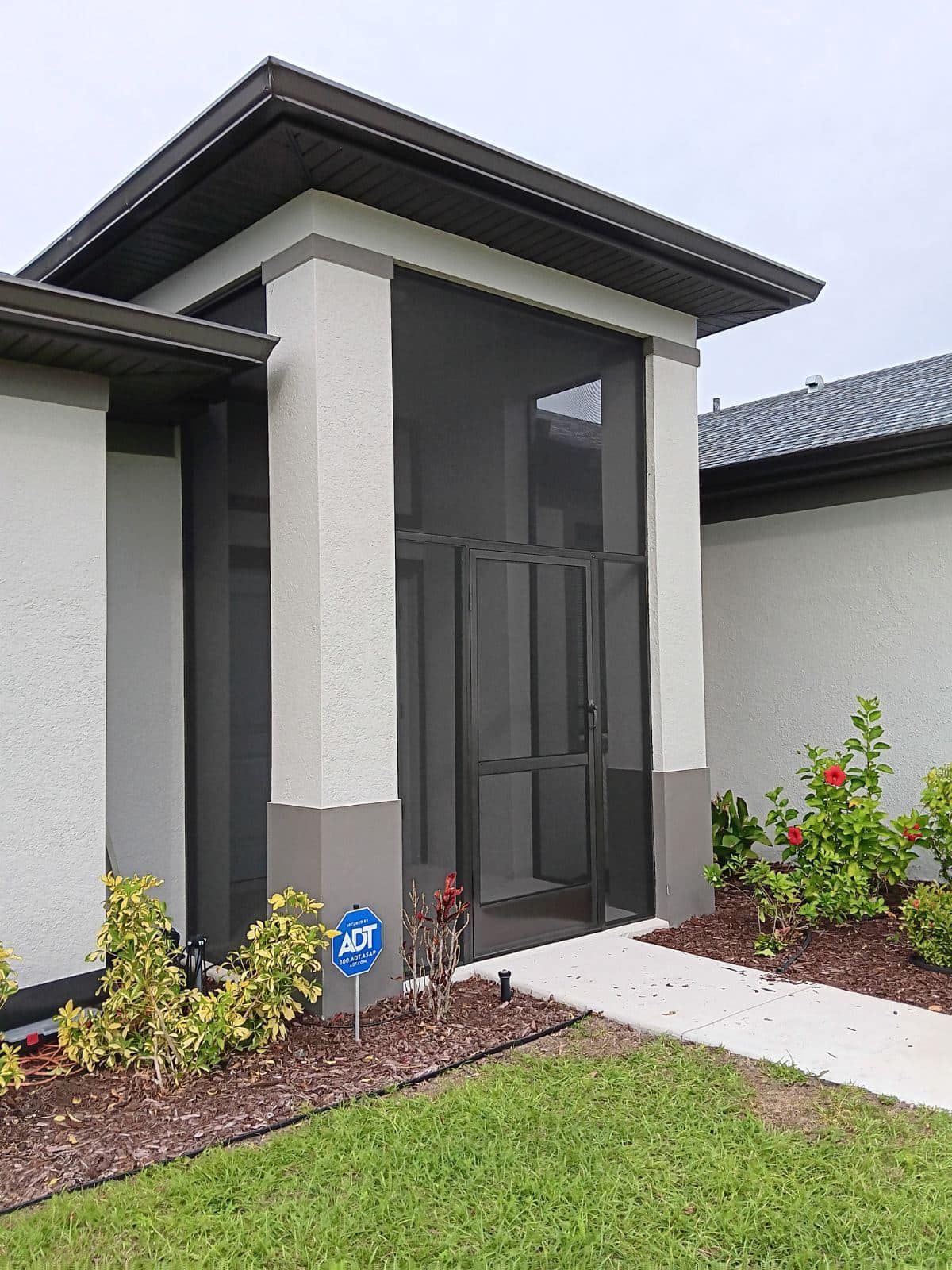
Summer storms in Southwest Florida can be fierce, bringing strong winds, heavy rain, and flying debris that put your screens to the test. If your entryway, pool cage, or lanai screens are old or worn, now is the perfect time to upgrade to more durable, storm-resistant materials. At Daniel’s Screen Services, we specialize in high-quality screen enclosures built to withstand the harshest weather while keeping your outdoor spaces protected and enjoyable. Our premium options, such as Phifer No-See-Um screens and Super Screen , resist tearing, fading, and stretching, even under extreme conditions. Benefits of Stronger Screens: ✅ Enhanced protection against storm damage ✅ Improved insect control ✅ Longer-lasting durability ✅ Better curb appeal and home value Don’t wait for the first storm warning—prepare your home today. Our expert team can inspect your existing screens, recommend the best replacement options, and install them quickly so you can enjoy peace of mind all season long.  Ready to upgrade your entryway, pool, or lanai screens before summer storms arrive? Contact Daniel’s Screen Services today to schedule a free consultation and protect your investment.
By Chris Clark June 10, 2025
The body content of your post goes here. To edit this text, click on it and delete this default text and start typing your own or paste your own from a different source.
By Daniel Gerstmyer December 30, 2024
In sunny Southwest Florida, a lanai or pool screen is more than just a decorative addition—it’s a necessity! From keeping out pests to providing shade and protection, screens play a vital role in maintaining comfort and safety at home. But when these screens become damaged, hiring a professional for repairs is key to preserving their function and appeal. Here’s why: 1. Expertise and Experience Professional screen repair technicians bring years of hands-on experience to the job. They know how to handle a variety of screen types, from fiberglass to aluminum and even high-strength materials like Super Screen. Their expertise ensures proper repairs that stand the test of time. 2. Quality Materials and Tools A DIY repair might seem cost-effective, but professionals have access to top-grade materials like Phifer Screens and No-See-Um mesh, which offer superior durability and performance. They also come equipped with specialized tools to complete repairs quickly and efficiently. 3. Time-Saving Convenience Screen repair can be time-consuming and challenging without the right tools and skills. Hiring a professional saves homeowners valuable time and spares them the frustration of dealing with improper fits or repeated fixes. 4. Enhanced Curb Appeal Professionals ensure seamless repairs that blend perfectly with your home’s aesthetic. Whether it’s a pool enclosure or patio screen, they can restore its look and functionality, boosting your home’s curb appeal. 5. Long-Term Savings While DIY repairs may seem cheaper upfront, poor-quality fixes can lead to recurring damage. Professional repairs are built to last, reducing the need for frequent replacements and saving money in the long run. Trust Daniel’s Screen Services for Professional Repairs At Daniel’s Screen Services, we specialize in repairing and installing high-quality screens for lanais, patios, and pools. Whether your screen has minor tears or major damage, we use premium materials backed by a 10-year warranty to deliver lasting results. Don’t Settle for Quick Fixes—Go Pro! Protect your home’s beauty, safety, and value by choosing experienced professionals for your screen repair needs. Call Daniel’s Screen Services today for a free consultation and let us restore your screens to perfection! 
By Daniel Gerstmyer November 15, 2024
Celebrate the holidays in true Southwest Florida style! With warm weather and tropical vibes, your screened lanai or pool area offers the perfect backdrop for festive decorations. Here’s how to transform your outdoor space into a holiday wonderland: 1. Wrap Your Screen Frame with Lights Use weatherproof string lights to outline your lanai or pool cage. Opt for colorful lights or classic white for a magical ambiance that stands out. 2. Add Tropical Holiday Flair Incorporate Southwest Florida’s natural beauty into your decor. Decorate with seashell garlands, starfish ornaments, and tropical wreaths featuring palm fronds and hibiscus. 3. Hang Festive Decorations Adorn your screen with lightweight holiday items like hanging ornaments, ribbons, and holiday banners. Make sure they’re secure and weather-resistant. 4. Create a Holiday Seating Area Add cozy outdoor cushions in holiday-themed patterns, along with a festive table runner or centerpiece. Consider a small artificial Christmas tree or a beachy holiday centerpiece for extra charm. 5. Set Up a Poolside Display If you have a pool, float holiday-themed inflatables like snowmen or Santa in a flamingo! It’s a fun, tropical twist that’s sure to delight guests. 6. Keep Safety in Mind Ensure decorations don’t block access to exits or compromise the integrity of your screen. Use clips or hooks designed for screen enclosures to prevent damage. 7. Light Up the Night Consider adding lanterns, LED candles, or illuminated figures to create a cozy glow for evening gatherings.  Your screened lanai or pool area can be a stunning holiday centerpiece with just a few creative touches. Need to upgrade or repair your screens before decorating? Daniel’s Screen Services is here to help! 🎅✨