
What Type of Maintenance Is Required for Screens on a Pool Cage, Lanai, or Entryway in SW Florida?
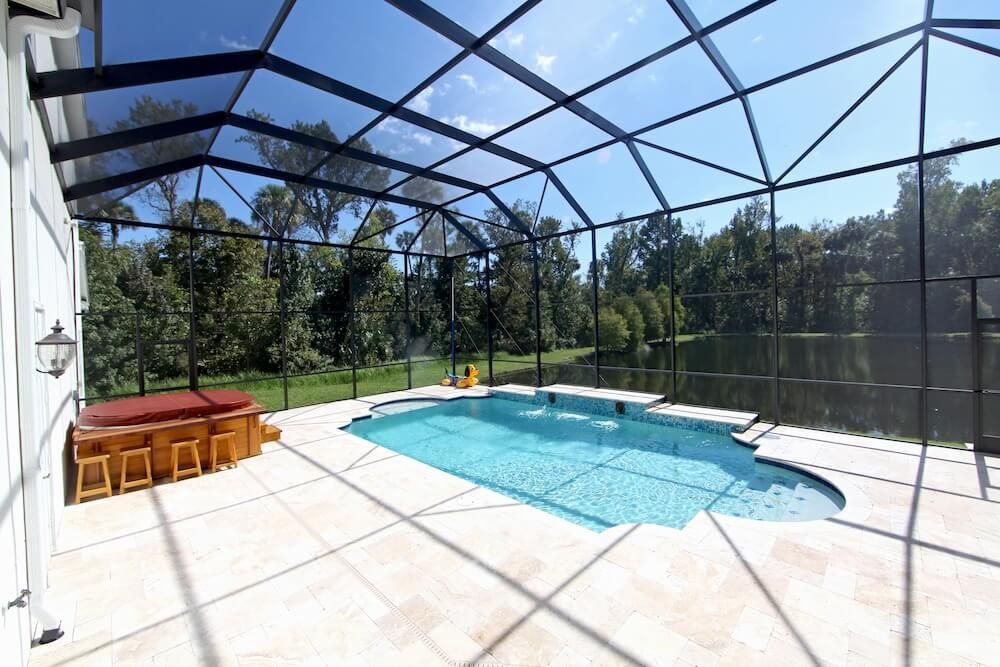
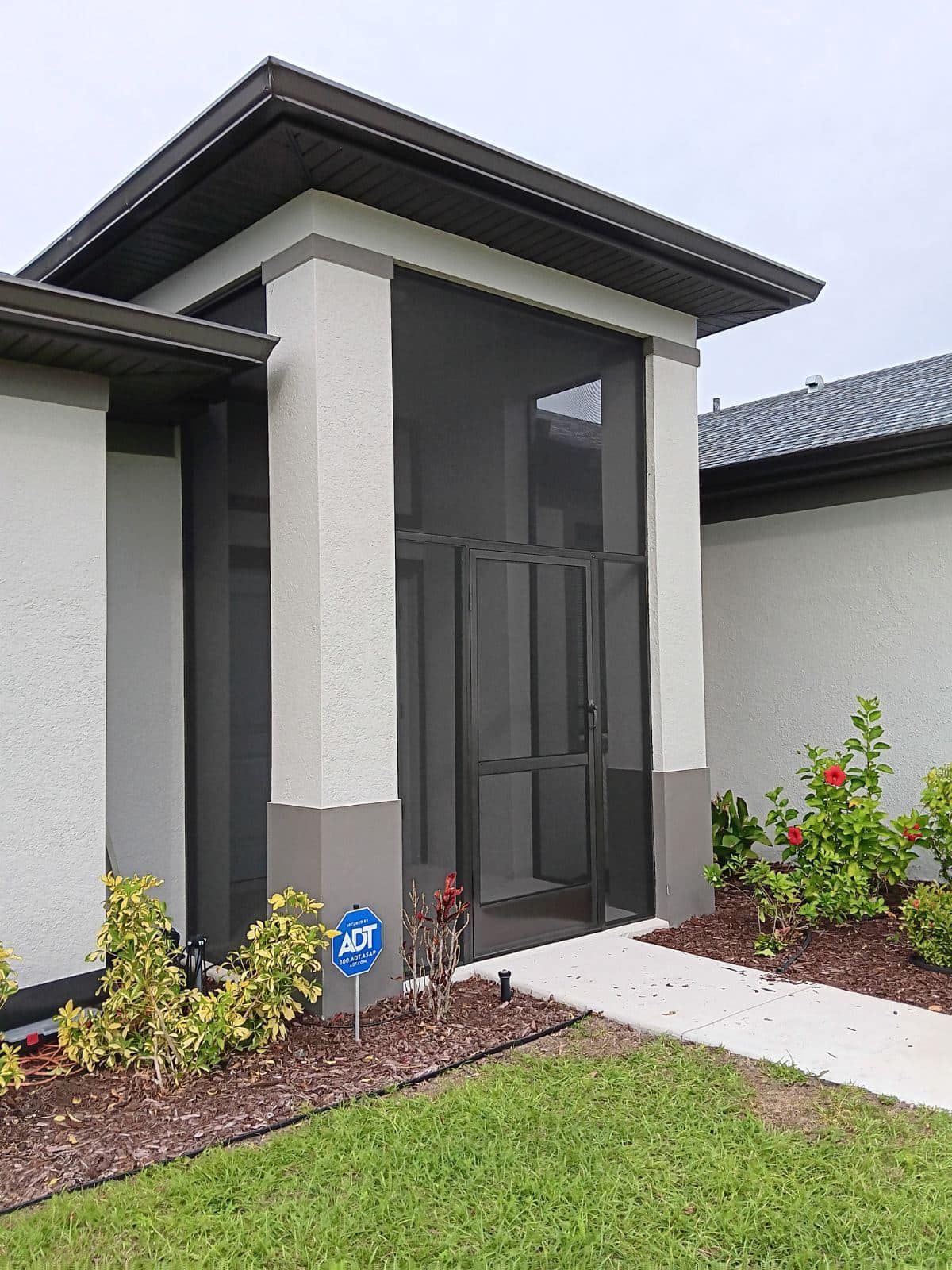
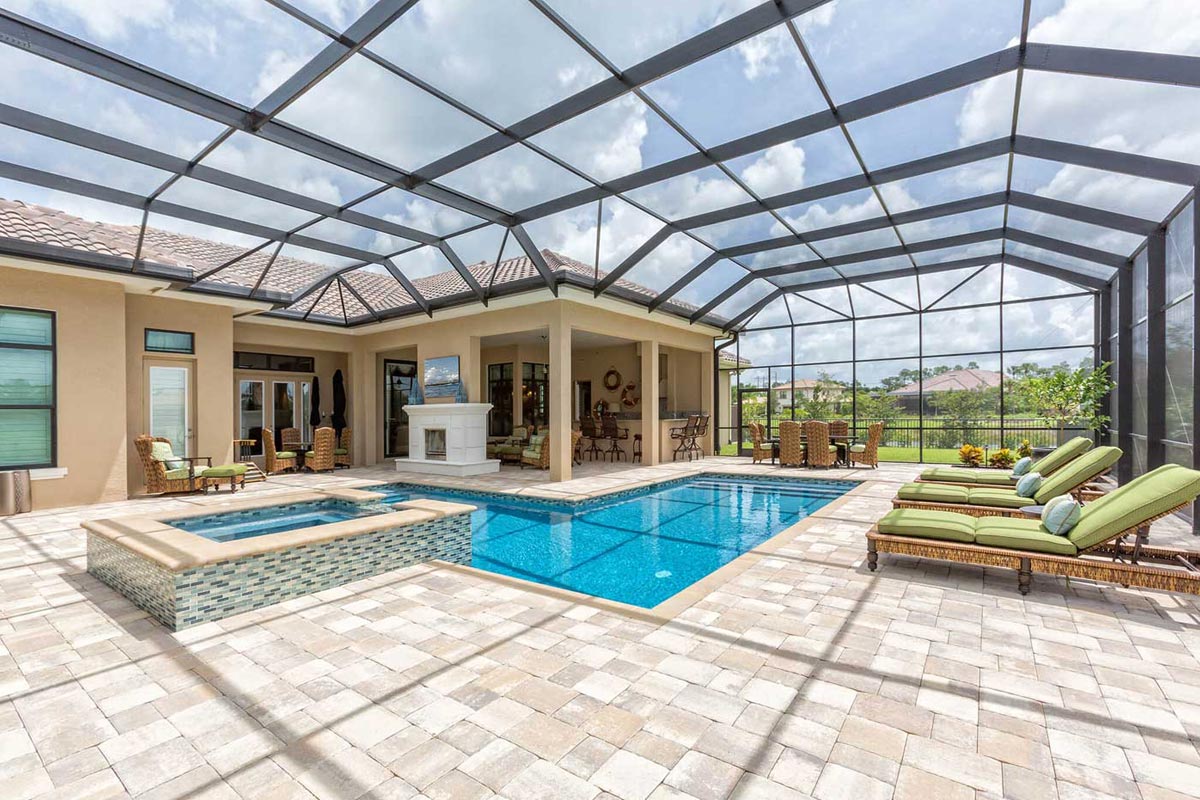
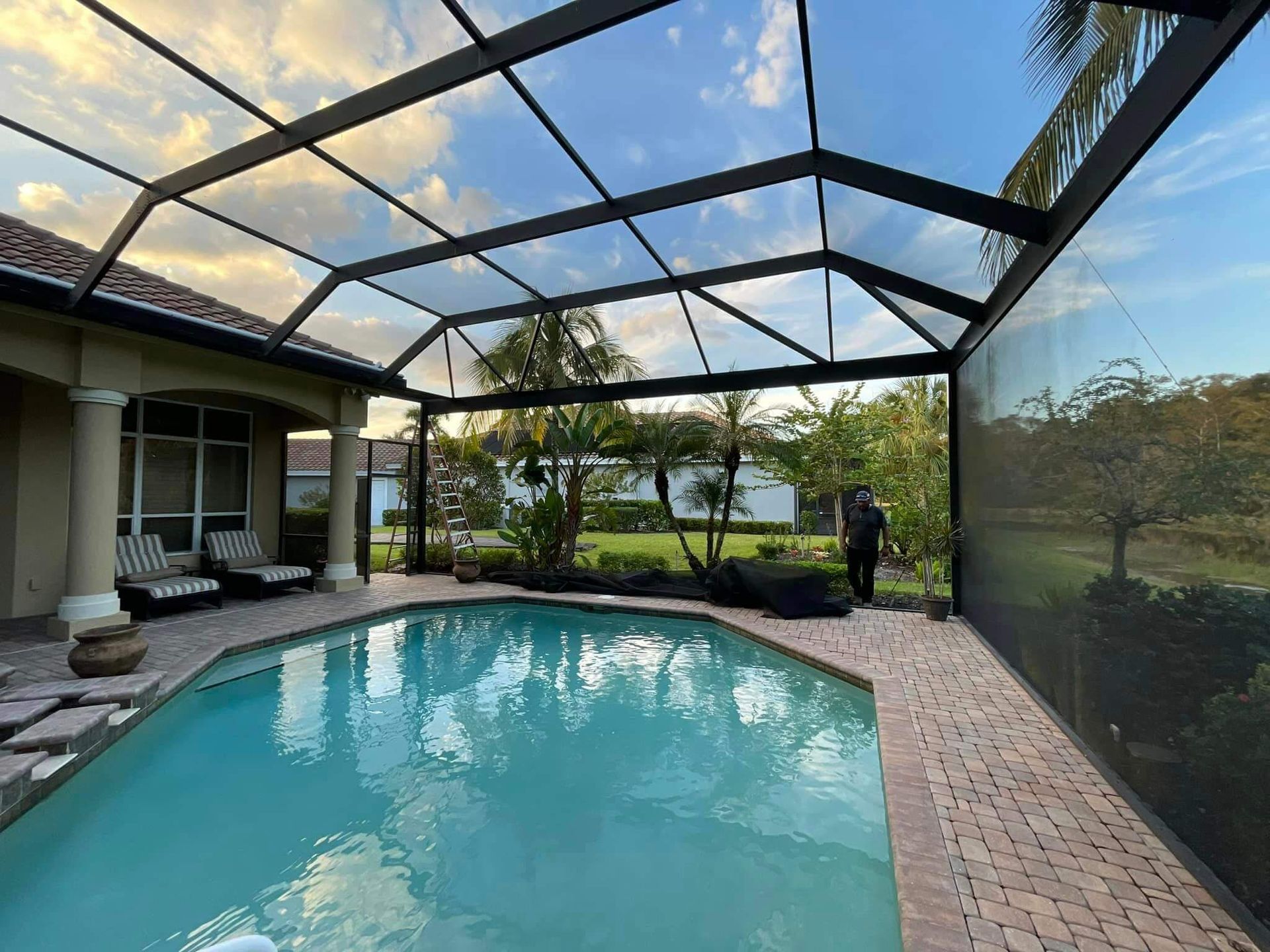
Living in Southwest Florida means enjoying sunshine, warm breezes, and year-round outdoor living. But it also means battling humidity, sudden storms, intense UV rays, and the constant presence of bugs and debris. This is exactly why most homeowners protect their outdoor spaces with pool cages, lanais, and entryway screen enclosures. These structures offer beauty and function—but like anything exposed to Florida’s climate, they need proper maintenance to stay strong.
If you’ve ever wondered how to maintain your screen enclosure, how often it needs attention, or what you can do to extend its lifespan, you’re in the right place. Below is the ultimate guide to caring for the screens on your pool cage, lanai, or entryway so they stay looking great and performing well year after year.
Why Screen Maintenance Is So Important in Southwest Florida
Most homeowners don’t realize just how much wear and tear our environment puts on screen enclosures. Between UV exposure, salty air, heavy rains, and tropical storms, your screens face daily challenges. Proper maintenance does more than just keep things looking neat—it raises the lifespan of the enclosure, saves you money over time, and ensures your outdoor area always feels inviting.
Here’s why maintenance is critical:
1. Florida’s Sun Damages Screens Over Time
Direct sunlight causes screen mesh to weaken, fade, and eventually tear. Cheaper meshes can become brittle in as little as 2–4 years, while stronger options like Super Screen or No-See-Ums mesh last longer but still need occasional attention.
2. High Humidity Encourages Mold & Mildew
Screens and aluminum frames collect moisture, especially during rainy season. Without regular cleaning, they can develop dark streaks, algae buildup, and mold spots.
3. Debris Buildup Can Damage Panels
Leaves, pollen, and dirt often get trapped in the screen or on the roof of a pool cage. Over time, this adds weight and strain, especially on roof panels.
4. Salt Air Causes Corrosion
If you're near the coast—Cape Coral, Fort Myers Beach, Naples—salt exposure is a constant battle. Corrosion on the frame or fasteners can compromise the structure.
5. Storm Season Makes Weak Screens a Hazard
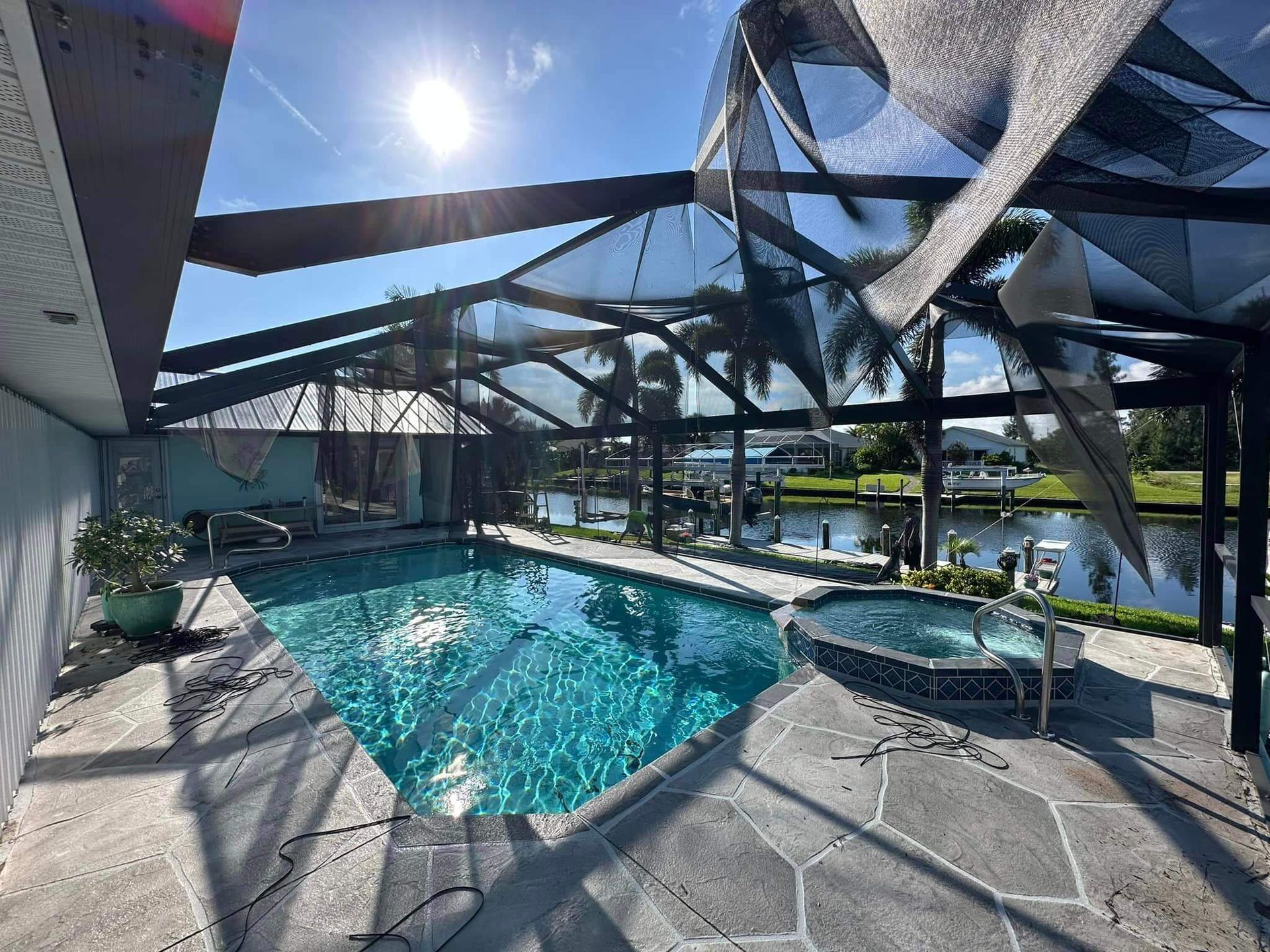
Loose, sagging, or already-damaged panels are far more likely to tear or blow out during strong winds or storms.
How Often Should You Maintain Your Screening?
A good rule of thumb for Southwest Florida homes:
- Light cleaning: Monthly
- Deep cleaning: Every 3–6 months
- Full inspection: Annually
- Rescreening: Every 7–10 years (depending on mesh type and exposure)
- Fastener inspection or upgrade: Every 5 years
- Professional evaluation: Before and after hurricane season
Essential Maintenance Tasks You Should Be Doing
Below are the most important steps every homeowner should take to maintain the screens on their pool cage, lanai, or entryway.
1. Rinse Screens Regularly to Remove Dirt, Salt, and Debris
A gentle rinse with a garden hose goes a long way. Start at the top of the enclosure and work your way down. This prevents salt and dirt from embedding in the mesh.
Pro Tip:
Avoid using high-pressure washers directly on the screen mesh—this can stretch or tear the screen. Use low pressure or a soft spray setting instead.
2. Clean the Aluminum Frame to Prevent Corrosion
The aluminum structure of your pool cage or lanai is coated to resist corrosion, but salt and moisture can still cause buildup. Use a mild soap solution and soft brush to clean the frame.
What to Watch For:
- White powdery residue (oxidation)
- Rust around fasteners
- Paint discoloration
- Loose screws or brackets
Frame maintenance is one of the most overlooked parts of caring for a screen enclosure—but one of the most important.
3. Remove Roof Debris to Avoid Strain on Panels
Palm fronds, leaves, pine needles, and branches often collect on the roof of a pool cage. Too much buildup can put pressure on the screen and cause sagging or tears.
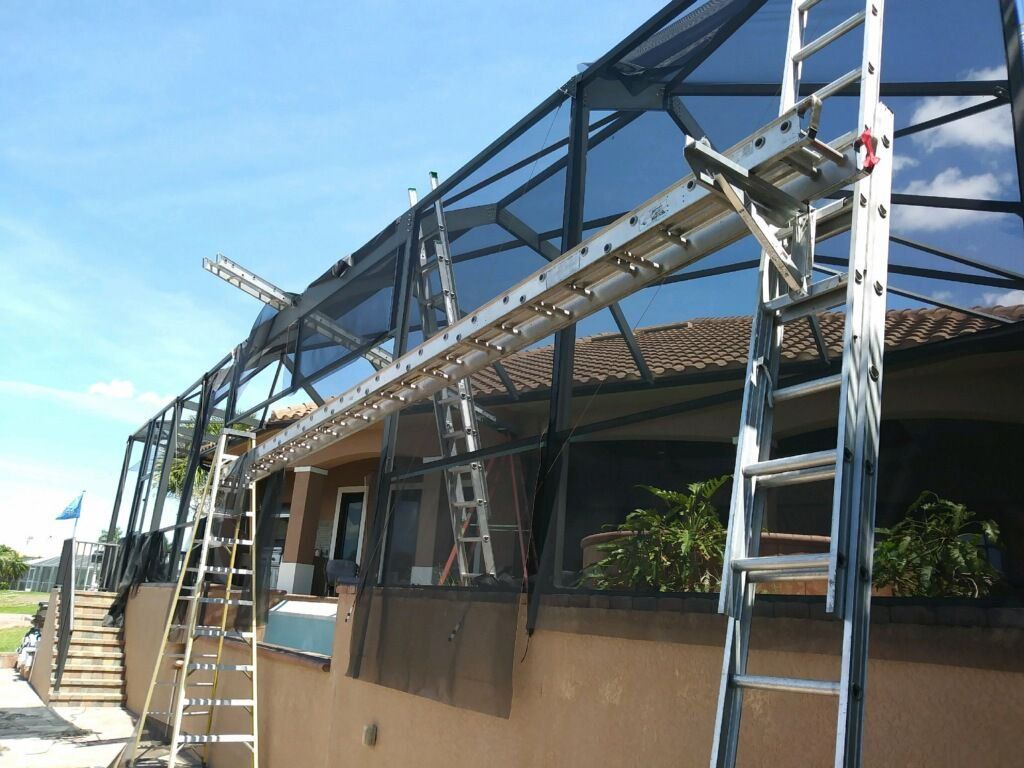
If you cannot safely reach the roof—do not climb on it. Pool cage roofs are not designed to support the weight of a person. Call a professional to safely remove roof debris.
4. Address Screen Tears or Loose Panels Immediately
A small tear becomes a big tear quickly in Southwest Florida’s wind. If you notice any of these, repair them right away:
- Panels that appear loose or wavy
- Small punctures
- Sagging corners
- Gaps along the frame
Timely repairs prevent pests from entering the enclosure—and prevent future structural issues.
5. Check the Doors, Hardware, and Fasteners
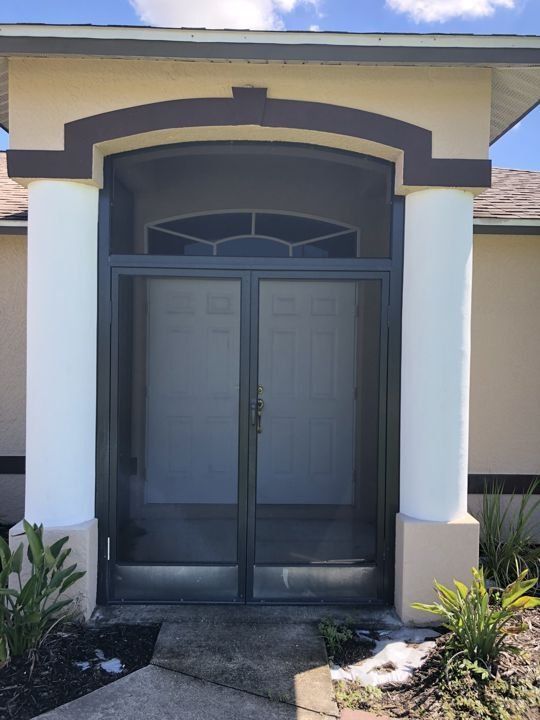
Salt air and moisture wear out hardware faster than many people expect. Screen doors especially take a beating.
Check these items:
- Door hinges
- Door closers
- Handle latches
- Corner brackets
- Fasteners & screws
- Kick plates
If your enclosure has rusty screws, it may be time to upgrade to stainless steel or a rust-resistant alternative.
6. Clean Mold, Mildew, and Algae Properly
Florida’s climate is perfect for algae and mildew growth. Look for green or black discoloration on the screens or frame.
Safe Cleaning Mix:
- 1 gallon water
- 1 cup white vinegar
- A few drops of mild dish soap
This avoids harsh chemicals that can damage mesh or paint.
Avoid bleach unless absolutely necessary—and always dilute it properly.
7. Inspect the Overall Structure Annually
At least once a year, do a full walkthrough:
- Are the panels tight and smooth?
- Does the frame feel sturdy?
- Are any areas bent, leaning, or cracked?
- Are fasteners showing rust?
- Are there gaps, holes, or pest intrusions?
An annual inspection is especially important before hurricane season. If you spot anything questionable, it’s safer and cheaper to repair it early.
8. Rescreen When Mesh Begins to Weaken
Even the best screen mesh breaks down eventually. Most homeowners rescreen every 7–10 years, depending on the material.
Signs it’s time to rescreen:
- Discoloration
- Sagging
- Fading
- Brittleness
- Frequent tears
- Panels popping out
Daniel’s Screen Services installs high-quality mesh options like:
- Phifer screen
- No-See-Ums fiberglass screen
- Glas-Shield
- Super Screen (10-year warranty)
Upgrading to better screens increases durability, reduces maintenance, and withstands storms more effectively.
9. Consider a Full Rebuild for Older or Rusted Cages
If your enclosure is more than 15–20 years old, or you notice heavy corrosion, it may be more cost-effective to rebuild the structure. Southwest Florida homes near the water often need frame rebuilding sooner due to salt exposure.
A rebuild allows you to upgrade:
- Roof style
- Beam design
- Fasteners
- Mesh type
- Color
- Screen doors
- Kick plates
Better materials = less maintenance long-term.
10. Hire a Professional for Annual Maintenance
While homeowners can handle basic tasks, a professional inspection ensures your enclosure remains safe and long-lasting. A screen expert will check:
- Structural integrity
- Fasteners
- Connection points
- Hidden corrosion
- Mesh quality
- Roof panels
- Door hardware
- Anchoring system
- Permitting/compliance (if needed)
This is especially crucial after a hurricane or major storm.
Final Thoughts: Protect Your Investment
Your pool cage, lanai, or entryway enclosure is one of the best features of your Southwest Florida home. With the right maintenance, it can last for years—even through Florida’s harshest seasons. A little prevention goes a long way toward avoiding costly repairs or full replacements later on.
If your screens are showing signs of age or damage—or you’re not sure where to start—Daniel’s Screen Services is here to help. From quick repairs to full rescreens using premium materials, we make your enclosure look brand new again.