
Pool & Lanai Screen Maintenance in Southwest Florida: Why It Matters Year-Round
Chris Clark • July 23, 2025
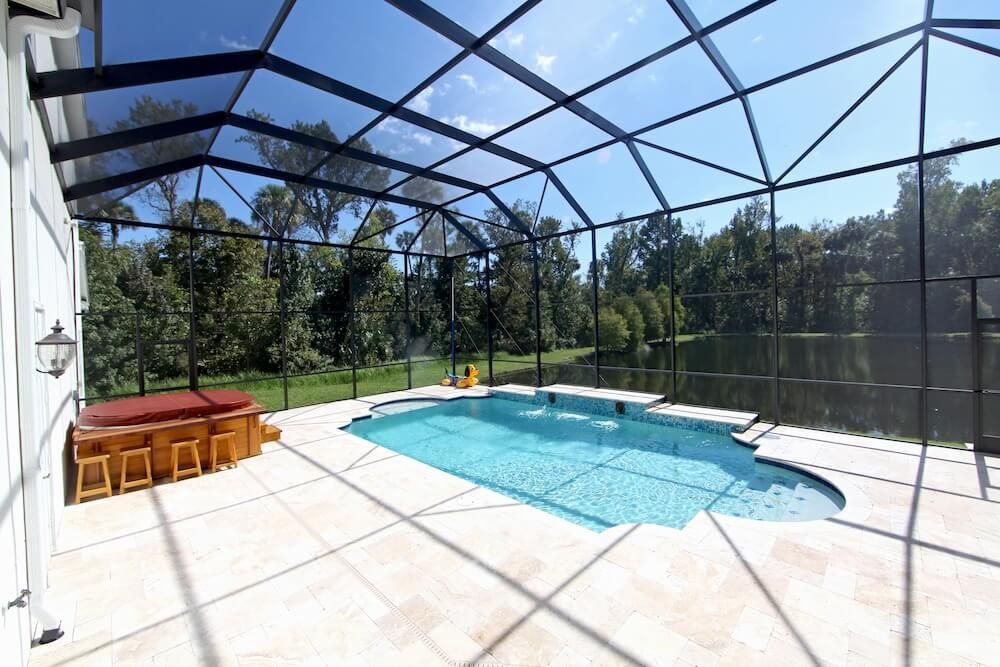
If you live in Southwest Florida, you know how important it is to have a well-maintained pool or lanai screen enclosure. Not only do these enclosures keep bugs and debris out, but they also help protect your outdoor living space from harsh sun, wind, and summer storms. At Daniel’s Screen Services, we specialize in helping homeowners keep their screens in top shape all year long.
🛠️ Why Pool & Lanai Screen Maintenance Is So Important:
- Prevents Costly Repairs
Catching small tears or rust early prevents the need for full rescreening later. - Improves Appearance
Faded or sagging screens can make your home look older and less maintained. - Keeps Pests Out
In SW Florida, insects like no-see-ums and mosquitoes thrive—screen damage invites them in. - Protects Your Investment
A clean, functional enclosure boosts property value and extends the life of your outdoor space.
🔍 What We Recommend:
- Seasonal Screen Inspections
Especially after storm season, inspect for holes, loose spline, and rusty hardware. - Cleaning & Maintenance
Rinse your screens regularly with a hose to prevent mildew and salt buildup. - Use High-Quality Screen Materials
Ask us about Phifer No-See-Um screen or Super Screen with a 10-year warranty. - Professional Repairs & Rescreening
We handle everything from minor patch jobs to full panel replacements—with fast turnaround and expert care.
At Daniel’s Screen Services, we know what Florida weather can do to your enclosure. Our team is local, experienced, and here to help you maintain your screen year-round so you can enjoy your lanai or pool without worry.
The body content of your post goes here. To edit this text, click on it and delete this default text and start typing your own or paste your own from a different source.
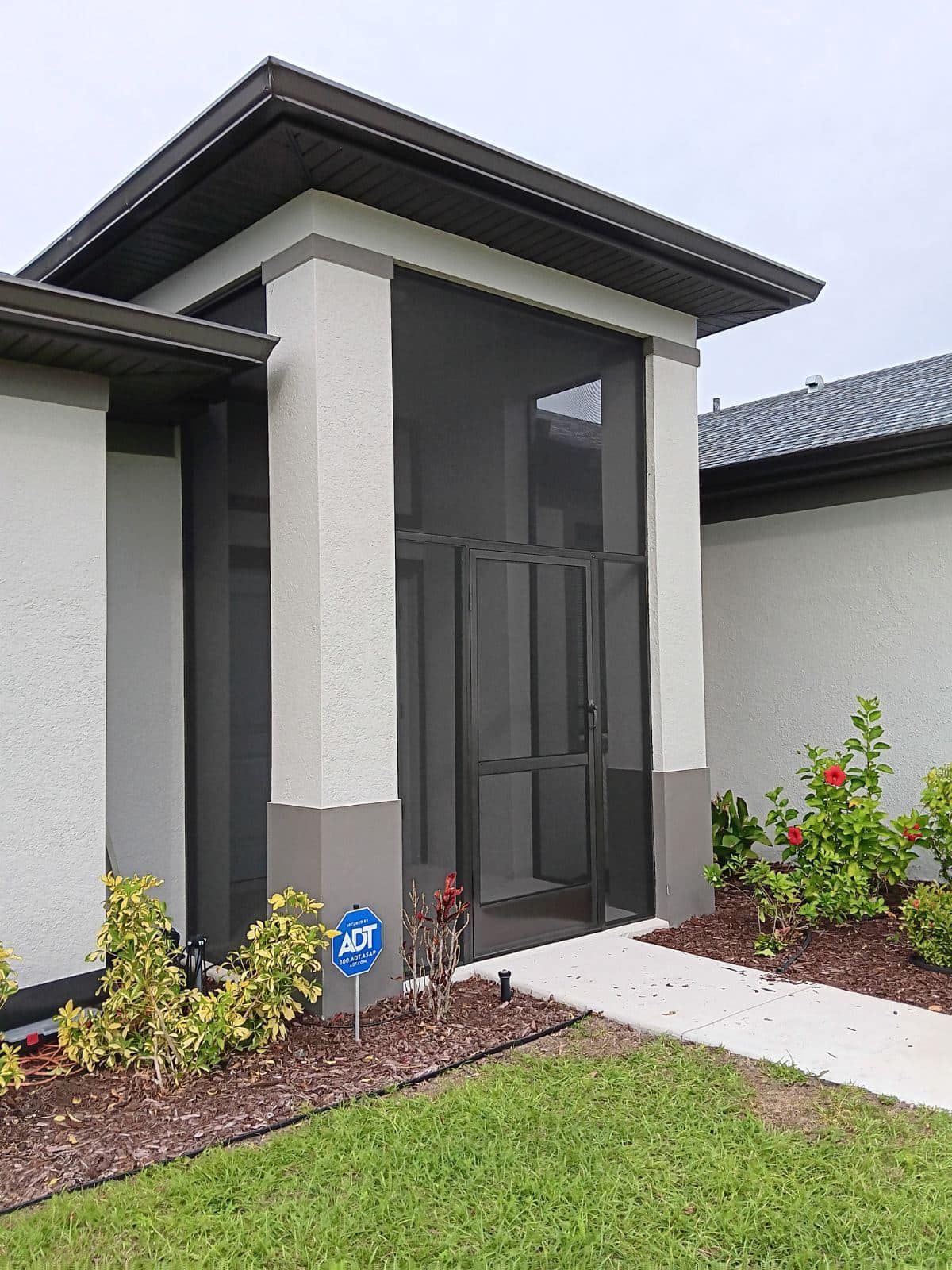
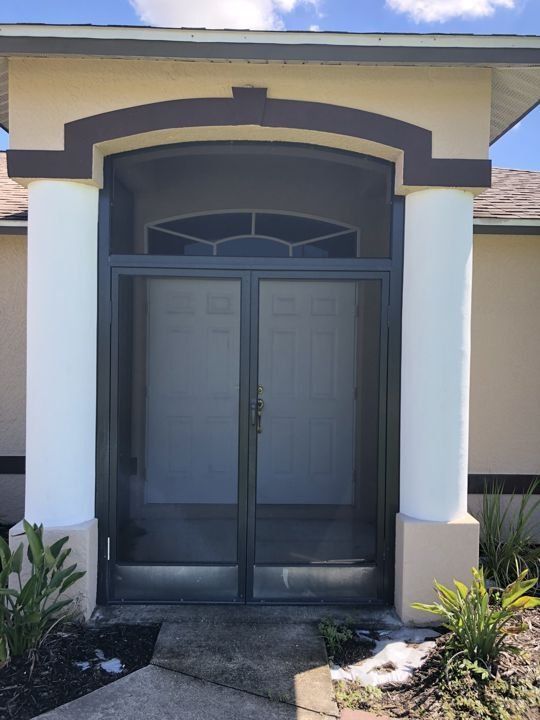
In Southwest Florida, outdoor living is part of everyday life. However, along with sunshine and warm breezes come insects, debris, seasonal storms, and humidity. For homeowners looking to enhance comfort and protect their property, entryway screening in Fort Myers FL has become an increasingly popular upgrade. A professionally installed screened entryway provides more than just bug protection. It enhances curb appeal, improves ventilation, adds an extra layer of security, and protects your front door from the harsh Florida elements. At Daniel’s Screen Services, we specialize in custom entry screening solutions designed specifically for Fort Myers homeowners. In this comprehensive guide, we’ll explore the benefits, design options, installation considerations, and why hiring a trusted Fort Myers screen contractor makes all the difference. Why Entryway Screening Is a Smart Investment in Fort Myers Fort Myers homeowners face unique environmental challenges: Mosquitoes and no-see-ums Seasonal pollen Wind-driven rain Intense UV exposure Hurricane-force winds A screened entryway Fort Myers residents install acts as a protective barrier between the outdoors and your home’s interior. Key Benefits Include: Reduced insect intrusion Improved airflow Protection from debris Extended lifespan of your front door Added privacy Enhanced home value In a climate like Southwest Florida, entry screening is both practical and aesthetic. What Is a Front Entry Screen Enclosure? A front entry screen enclosure is a custom aluminum-framed structure installed around your home’s front door area. It typically includes: Aluminum framework High-quality screen mesh Secure screen door Structural anchoring to the home Unlike temporary screen doors, these systems are engineered to integrate seamlessly with your home’s architecture. They can be designed to complement: Single-door entries Double-door entries Arched entryways Columned porticos Extended front porches How Entryway Screening Enhances Daily Comfort 1. Natural Ventilation One of the greatest advantages of entryway screening in Fort Myers FL is the ability to leave your main door open while maintaining protection. This allows: Cross ventilation Reduced reliance on air conditioning Fresh air circulation In cooler months, this can significantly enhance comfort. 2. Bug Protection Without Blocking Views Southwest Florida is known for insects year-round. A bug protection screen enclosure keeps pests out while preserving visibility and natural light. Modern screen materials are durable and nearly transparent, ensuring your entryway remains inviting. 3. Protection from Debris and Weather Wind can carry leaves, sand, and debris into your entryway. Screen enclosures act as a barrier, keeping your front entrance cleaner. Additionally, screening reduces: Direct rain exposure UV damage to doors and finishes Dirt buildup This prolongs the life of your entry materials. Hurricane-Rated Entry Screen Options Fort Myers homeowners must consider storm protection when installing any exterior structure. At Daniel’s Screen Services, we offer hurricane-rated entry screen options designed to meet Florida’s building codes. These systems include: Reinforced aluminum framing Secure anchoring systems Durable screen mesh Code-compliant installation Working with a knowledgeable Fort Myers screen contractor ensures your enclosure is built to withstand regional weather conditions. Design Options for Custom Entry Screening Entry screening is not one-size-fits-all. Customization ensures your enclosure complements your home’s architecture. Frame Colors Popular options include: White Bronze Black Custom powder-coated finishes Screen Types Depending on your needs, you may choose: Standard insect mesh Solar screen Pet-resistant screen Heavy-duty hurricane-rated mesh Door Configurations Single swing screen door Double screen doors Decorative handle options Self-closing hinges Design flexibility ensures the final installation enhances curb appeal rather than detracts from it. Entryway Screening vs. Lanai Screening Many homeowners are familiar with lanai and entry screening but may not realize the differences. Lanai Screening Enclosed patios or pool areas Often larger in scale Designed for outdoor living spaces Entryway Screening Focused on the front door area Smaller footprint Enhances first impressions Both provide protection and comfort, but entry screening specifically elevates the home’s facade. The Installation Process Professional installation is essential for durability and safety. Step 1: On-Site Evaluation Daniel’s Screen Services evaluates: Entry dimensions Structural attachment points HOA requirements Wind exposure Step 2: Custom Fabrication Each aluminum screen enclosure is custom-built to fit your home precisely. Step 3: Professional Installation Our team ensures: Secure anchoring Proper leveling Smooth door operation Clean finish detailing The result is a seamless addition that looks original to the home. HOA and Permit Considerations in Fort Myers Many Fort Myers neighborhoods operate under homeowners’ association guidelines. Before installation, homeowners should verify: Approved frame colors Structural requirements Architectural review procedures An experienced Southwest Florida screen installation company like Daniel’s Screen Services can assist with compliance to avoid delays. Maintenance Tips for Entry Screen Enclosures Entryway screening is low-maintenance but benefits from occasional care. Recommended Maintenance: Rinse screens with a hose Wipe aluminum frames periodically Inspect for minor tears Lubricate door hinges annually Routine upkeep preserves appearance and longevity. When Should You Replace an Existing Entry Screen? If you already have a screen enclosure, signs it may need replacement include: Bent or corroded framing Torn mesh Door misalignment Loose anchoring Visible rust Upgrading to a hurricane-rated entry screen can improve durability and safety. Why Choose Daniel’s Screen Services? Choosing the right Fort Myers screen contractor ensures your project is completed properly the first time. Daniel’s Screen Services offers: Extensive experience in entryway screening in Fort Myers FL Code-compliant installations High-quality aluminum materials Custom design solutions Professional craftsmanship Competitive pricing We understand Southwest Florida’s climate and tailor every installation for long-term performance. Increase Your Home’s Curb Appeal and Value First impressions matter. A professionally installed front entry screen enclosure: Enhances visual appeal Creates a polished entryway Adds practical function Increases buyer appeal In Fort Myers’ competitive real estate market, thoughtful upgrades can significantly impact resale value. The Long-Term Value of Entry Screening Entryway screening in Fort Myers FL is more than a cosmetic enhancement. It’s a practical solution that: Protects your home Improves airflow Enhances security Reduces maintenance Supports hurricane preparedness With minimal maintenance and lasting durability, it’s a cost-effective upgrade for Florida homeowners. Ready to Upgrade Your Entryway? If you’re considering entryway screening in Fort Myers FL, now is the perfect time to enhance your home’s comfort and protection. Daniel’s Screen Services provides professional consultation, custom fabrication, and expert installation to ensure your screened entryway exceeds expectations. Contact us today to schedule your estimate and transform your home’s entryway into a more comfortable and functional space.
The body content of your post goes here. To edit this text, click on it and delete this default text and start typing your own or paste your own from a different source.
The body content of your post goes here. To edit this text, click on it and delete this default text and start typing your own or paste your own from a different source.
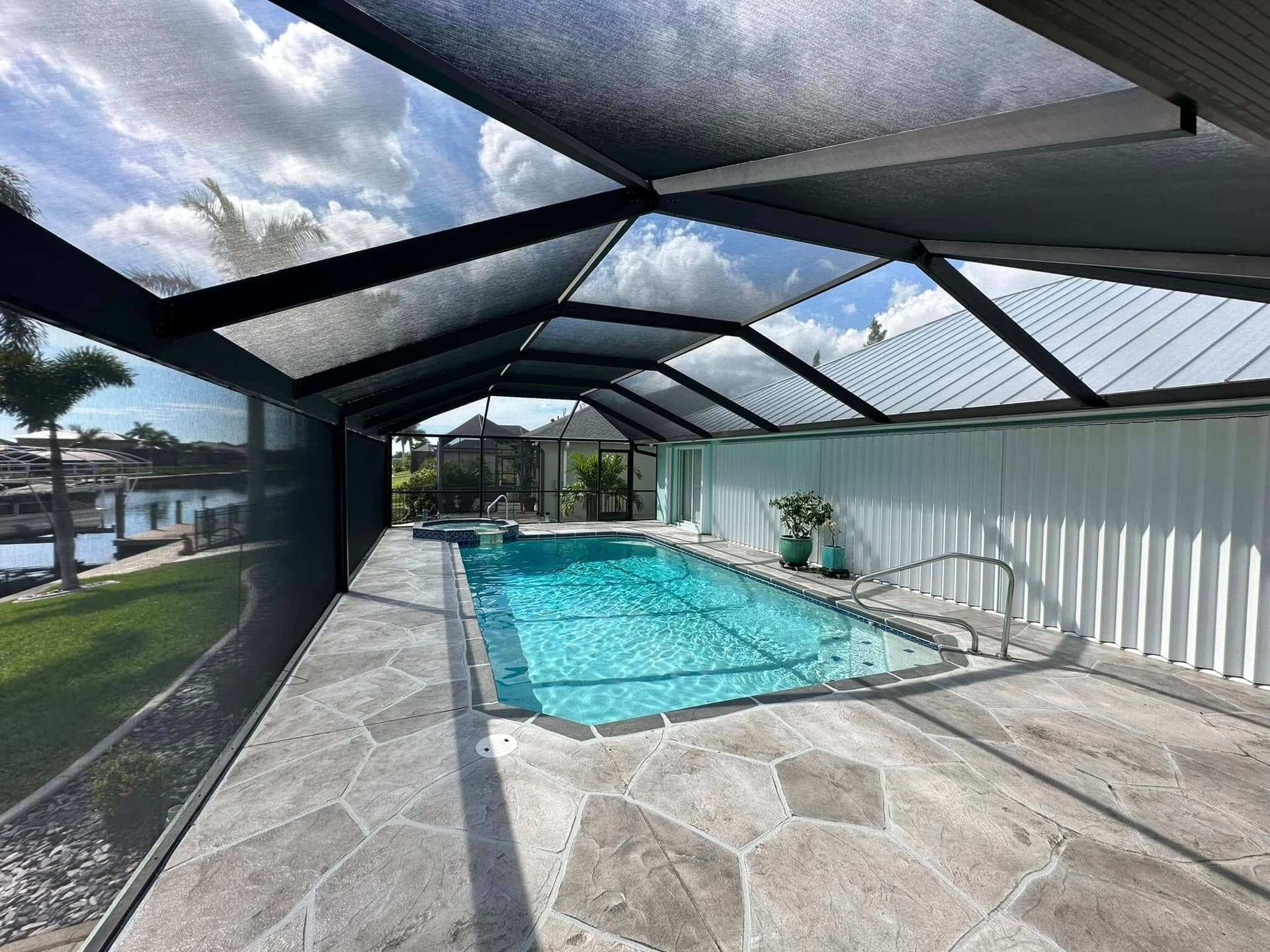
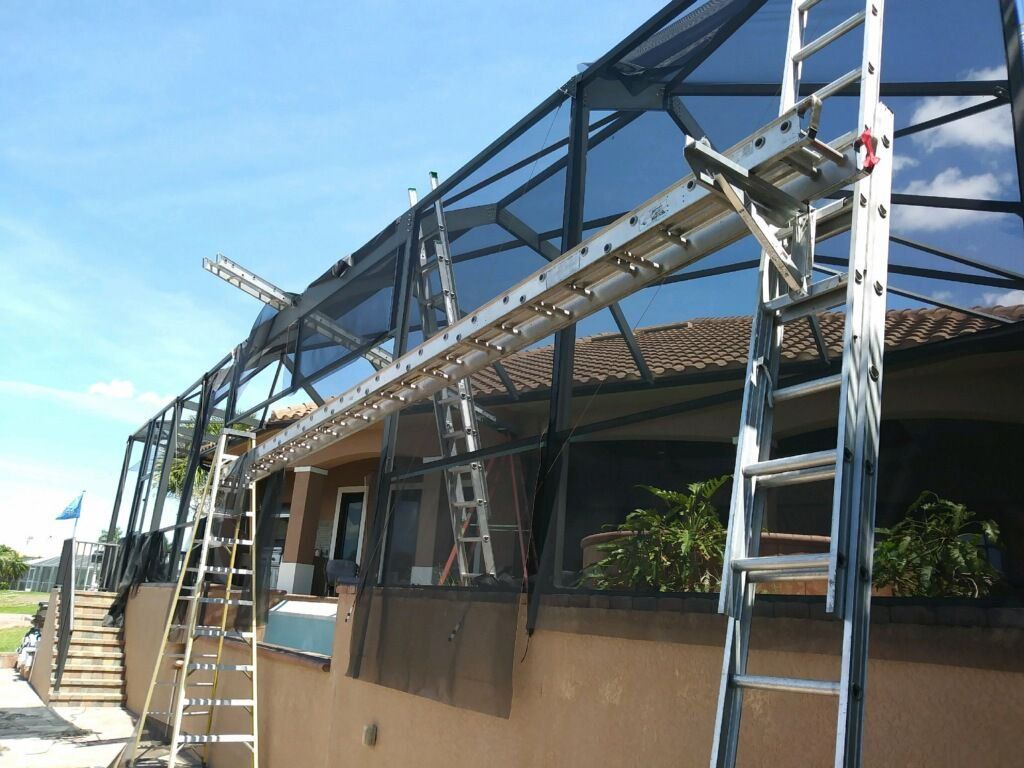
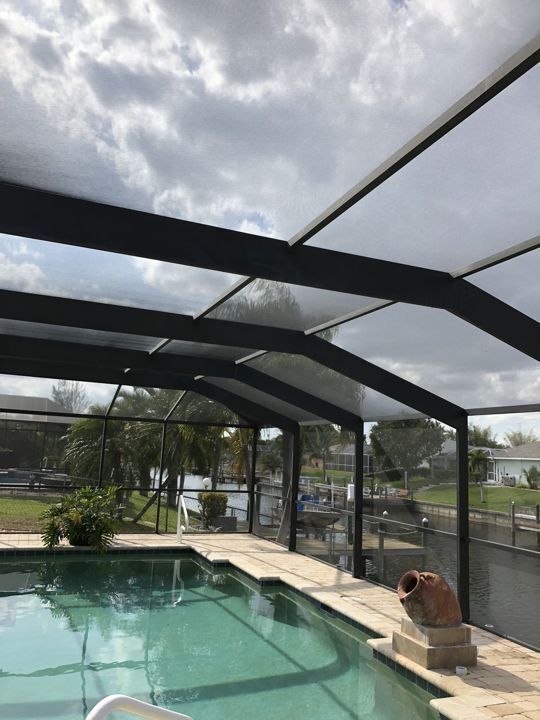
Living in Southwest Florida means enjoying sunshine, warm breezes, and year-round outdoor living. But it also means battling humidity, sudden storms, intense UV rays, and the constant presence of bugs and debris. This is exactly why most homeowners protect their outdoor spaces with pool cages, lanais, and entryway screen enclosures. These structures offer beauty and function—but like anything exposed to Florida’s climate, they need proper maintenance to stay strong. If you’ve ever wondered how to maintain your screen enclosure, how often it needs attention, or what you can do to extend its lifespan, you’re in the right place. Below is the ultimate guide to caring for the screens on your pool cage, lanai, or entryway so they stay looking great and performing well year after year. Why Screen Maintenance Is So Important in Southwest Florida Most homeowners don’t realize just how much wear and tear our environment puts on screen enclosures. Between UV exposure, salty air, heavy rains, and tropical storms, your screens face daily challenges. Proper maintenance does more than just keep things looking neat—it raises the lifespan of the enclosure, saves you money over time, and ensures your outdoor area always feels inviting. Here’s why maintenance is critical: 1. Florida’s Sun Damages Screens Over Time Direct sunlight causes screen mesh to weaken, fade, and eventually tear. Cheaper meshes can become brittle in as little as 2–4 years, while stronger options like Super Screen or No-See-Ums mesh last longer but still need occasional attention. 2. High Humidity Encourages Mold & Mildew Screens and aluminum frames collect moisture, especially during rainy season. Without regular cleaning, they can develop dark streaks, algae buildup, and mold spots. 3. Debris Buildup Can Damage Panels Leaves, pollen, and dirt often get trapped in the screen or on the roof of a pool cage. Over time, this adds weight and strain, especially on roof panels. 4. Salt Air Causes Corrosion If you're near the coast—Cape Coral, Fort Myers Beach, Naples—salt exposure is a constant battle. Corrosion on the frame or fasteners can compromise the structure. 5. Storm Season Makes Weak Screens a Hazard Loose, sagging, or already-damaged panels are far more likely to tear or blow out during strong winds or storms. How Often Should You Maintain Your Screening? A good rule of thumb for Southwest Florida homes: Light cleaning: Monthly Deep cleaning: Every 3–6 months Full inspection: Annually Rescreening: Every 7–10 years (depending on mesh type and exposure) Fastener inspection or upgrade: Every 5 years Professional evaluation: Before and after hurricane season Essential Maintenance Tasks You Should Be Doing Below are the most important steps every homeowner should take to maintain the screens on their pool cage, lanai, or entryway. 1. Rinse Screens Regularly to Remove Dirt, Salt, and Debris A gentle rinse with a garden hose goes a long way. Start at the top of the enclosure and work your way down. This prevents salt and dirt from embedding in the mesh. Pro Tip: Avoid using high-pressure washers directly on the screen mesh—this can stretch or tear the screen. Use low pressure or a soft spray setting instead. 2. Clean the Aluminum Frame to Prevent Corrosion The aluminum structure of your pool cage or lanai is coated to resist corrosion, but salt and moisture can still cause buildup. Use a mild soap solution and soft brush to clean the frame. What to Watch For: White powdery residue (oxidation) Rust around fasteners Paint discoloration Loose screws or brackets Frame maintenance is one of the most overlooked parts of caring for a screen enclosure—but one of the most important. 3. Remove Roof Debris to Avoid Strain on Panels Palm fronds, leaves, pine needles, and branches often collect on the roof of a pool cage. Too much buildup can put pressure on the screen and cause sagging or tears. If you cannot safely reach the roof—do not climb on it. Pool cage roofs are not designed to support the weight of a person. Call a professional to safely remove roof debris. 4. Address Screen Tears or Loose Panels Immediately A small tear becomes a big tear quickly in Southwest Florida’s wind. If you notice any of these, repair them right away: Panels that appear loose or wavy Small punctures Sagging corners Gaps along the frame Timely repairs prevent pests from entering the enclosure—and prevent future structural issues. 5. Check the Doors, Hardware, and Fasteners Salt air and moisture wear out hardware faster than many people expect. Screen doors especially take a beating. Check these items: Door hinges Door closers Handle latches Corner brackets Fasteners & screws Kick plates If your enclosure has rusty screws, it may be time to upgrade to stainless steel or a rust-resistant alternative. 6. Clean Mold, Mildew, and Algae Properly Florida’s climate is perfect for algae and mildew growth. Look for green or black discoloration on the screens or frame. Safe Cleaning Mix: 1 gallon water 1 cup white vinegar A few drops of mild dish soap This avoids harsh chemicals that can damage mesh or paint. Avoid bleach unless absolutely necessary—and always dilute it properly. 7. Inspect the Overall Structure Annually At least once a year, do a full walkthrough: Are the panels tight and smooth? Does the frame feel sturdy? Are any areas bent, leaning, or cracked? Are fasteners showing rust? Are there gaps, holes, or pest intrusions? An annual inspection is especially important before hurricane season. If you spot anything questionable, it’s safer and cheaper to repair it early. 8. Rescreen When Mesh Begins to Weaken Even the best screen mesh breaks down eventually. Most homeowners rescreen every 7–10 years, depending on the material. Signs it’s time to rescreen: Discoloration Sagging Fading Brittleness Frequent tears Panels popping out Daniel’s Screen Services installs high-quality mesh options like: Phifer screen No-See-Ums fiberglass screen Glas-Shield Super Screen (10-year warranty) Upgrading to better screens increases durability, reduces maintenance, and withstands storms more effectively. 9. Consider a Full Rebuild for Older or Rusted Cages If your enclosure is more than 15–20 years old, or you notice heavy corrosion, it may be more cost-effective to rebuild the structure. Southwest Florida homes near the water often need frame rebuilding sooner due to salt exposure. A rebuild allows you to upgrade: Roof style Beam design Fasteners Mesh type Color Screen doors Kick plates Better materials = less maintenance long-term. 10. Hire a Professional for Annual Maintenance While homeowners can handle basic tasks, a professional inspection ensures your enclosure remains safe and long-lasting. A screen expert will check: Structural integrity Fasteners Connection points Hidden corrosion Mesh quality Roof panels Door hardware Anchoring system Permitting/compliance (if needed) This is especially crucial after a hurricane or major storm. Final Thoughts: Protect Your Investment Your pool cage, lanai, or entryway enclosure is one of the best features of your Southwest Florida home. With the right maintenance, it can last for years—even through Florida’s harshest seasons. A little prevention goes a long way toward avoiding costly repairs or full replacements later on. If your screens are showing signs of age or damage—or you’re not sure where to start—Daniel’s Screen Services is here to help. From quick repairs to full rescreens using premium materials, we make your enclosure look brand new again.
The body content of your post goes here. To edit this text, click on it and delete this default text and start typing your own or paste your own from a different source.
The body content of your post goes here. To edit this text, click on it and delete this default text and start typing your own or paste your own from a different source.
The body content of your post goes here. To edit this text, click on it and delete this default text and start typing your own or paste your own from a different source.
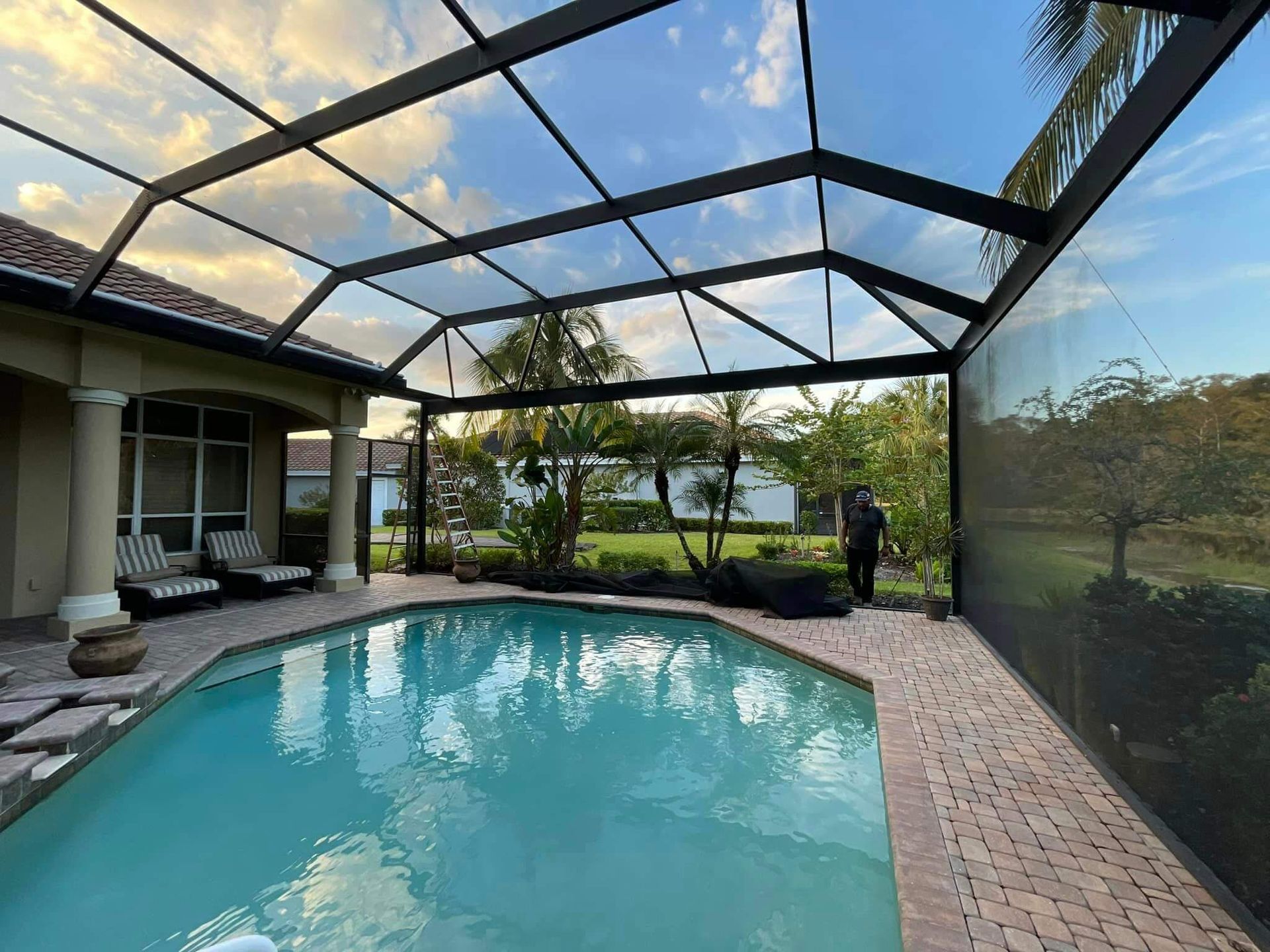
Summer storms in Southwest Florida can be fierce, bringing strong winds, heavy rain, and flying debris that put your screens to the test. If your entryway, pool cage, or lanai screens are old or worn, now is the perfect time to upgrade to more durable, storm-resistant materials. At Daniel’s Screen Services, we specialize in high-quality screen enclosures built to withstand the harshest weather while keeping your outdoor spaces protected and enjoyable. Our premium options, such as Phifer No-See-Um screens and Super Screen , resist tearing, fading, and stretching, even under extreme conditions. Benefits of Stronger Screens: ✅ Enhanced protection against storm damage ✅ Improved insect control ✅ Longer-lasting durability ✅ Better curb appeal and home value Don’t wait for the first storm warning—prepare your home today. Our expert team can inspect your existing screens, recommend the best replacement options, and install them quickly so you can enjoy peace of mind all season long. Ready to upgrade your entryway, pool, or lanai screens before summer storms arrive? Contact Daniel’s Screen Services today to schedule a free consultation and protect your investment.
The body content of your post goes here. To edit this text, click on it and delete this default text and start typing your own or paste your own from a different source.